
- SP


Linear Control Valve Application for Heat Exchanger
How Linear Control Valves Help in Heat Exchange Systems?
A heat exchanger is a device that transfers heat from one medium to another. Heat is transferred by conduction through heat exchange materials, which separate the media being used. In a boiler, a heat exchanger is where thermal energy is transferred from gas to water, creating steam to power industrial plants. Or in a power plant, a heat exchanger can be used to cool the steam coming out of a turbine. Steam passes through one side of the heat exchanger, while cold water passes through the other. Heat is transferred from the steam to the water, cooling the steam and heating the water.
Manually setting and repositioning valves based on changes in output system demand quickly becomes inefficient. Controlling valves pneumatically or electrically via remote signals has become popular since the introduction of reliable valve actuators and automatic controllers.
Close control of pressure and temperature variables related to heat exchange systems has become increasingly important. By closely controlling the pressure and temperature of both heating and cooling media in the systems, the use of linear control valves can help ensure efficient heat transfer.
Automatically moving the valve position according to the controller's set point has increased the accuracy of the system. This has a significant impact on product quality and reduces waste associated with the manufacturing process.
When sensors are installed in the heat exchanger to "feed back" information to the controller regarding the manufacturing process and the controlled variable, the accuracy of the system is again improved. The control loop is now closed between the controller, the sensor and the linear control valve.
Uses of Linear Control Valves in Heat Exchange Systems
What is a Linear Control Valve? Structure and Operating Principle of Linear Valves. See here.
Linear control valves are an important component in heat exchange systems because they regulate fluid flow. Here are their main uses:
1. Temperature Control
One of the most important roles of control valves in heat exchange systems is temperature control.
Linear control valves regulate the flow of heating or cooling fluids based on the temperature of the fluids in the system. If the process fluid is too cold, the control valve will increase the flow of heating fluid. Conversely, if the process fluid is too hot, the control valve will increase the flow of cooling fluid or reduce the flow of heating fluid.
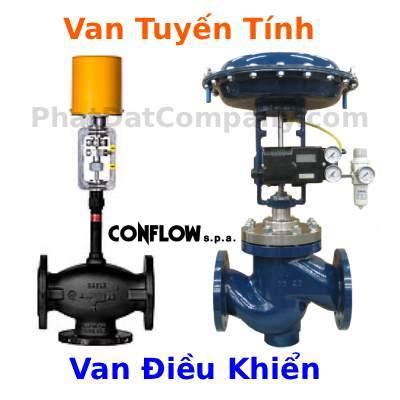
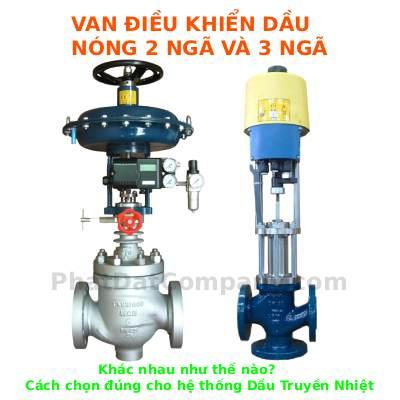
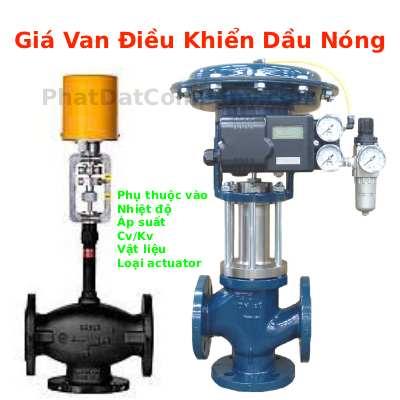
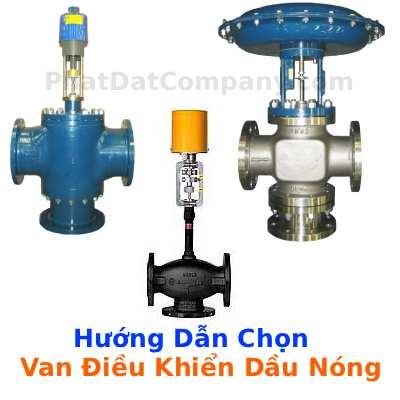
Linear Control Valve
2. Pressure Control
Another important role of linear valves is pressure control. In a heat exchange system, the pressure of the fluid can affect the heat transfer process. If the pressure is too high, it can cause damage to the heat exchanger or other parts of the system. And if the pressure is too low, the heat transfer efficiency can decrease.
A linear control valve can regulate pressure by regulating the flow of fluid. For example, if the pressure in the heat exchanger increases, the linear control valve can open wider to allow more fluid to flow through, reducing the pressure. Conversely, if the pressure is too low, the control valve can close partially to increase the pressure.
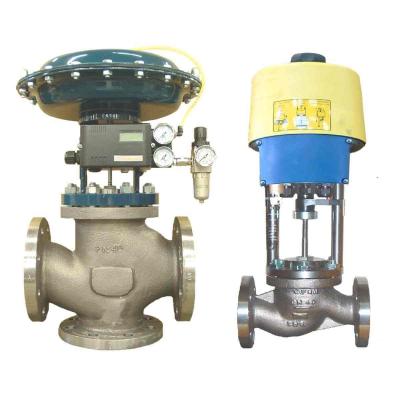
A linear control valve
3. Flow control
A linear control valve also controls the flow of fluid in a heat exchange system. Flow is important because it affects the rate of heat transfer. Higher flow usually means more heat transfer, but also requires more energy to pump the fluid.
By regulating flow, linear valves can optimize heat transfer. For example, in a large industrial heat exchange system, the control valve can be set at a specific flow rate based on load requirements. If the heat transfer demand is low, the control valve can reduce the flow rate to save energy.
Should pneumatic or electric control valves be installed in a heat exchange system?
Heat exchangers are a common type of closed-loop control application, in which both pneumatic and electric control valves can be used to regulate water, steam, and condensate.
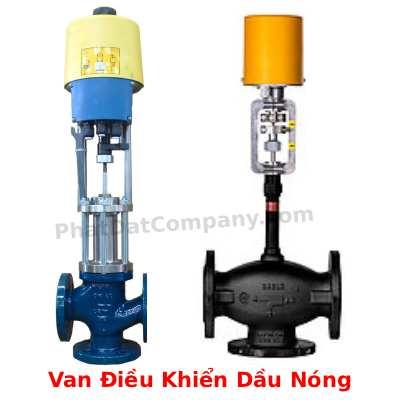
Linear control valve installed in heat exchangers
Super good price pressure gauge. You can see here
Super good price pressure sensor. You can see here
Good price temperature sensor. You can see here
A heat exchanger that does not respond quickly enough to temperature changes caused by system load changes/leaks to a steam system can be caused by something as simple as using the wrong hot water valve or steam valve or valve actuator. Anything from a system redesign or poor piping to increased demand due to a facility expansion can cause this slow response.
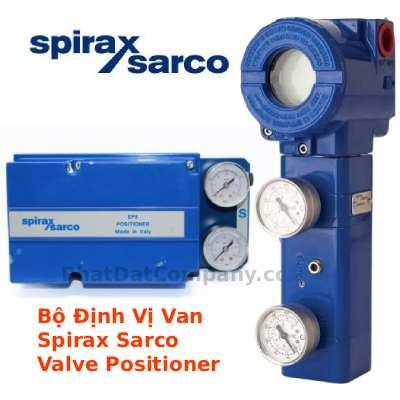
Converting from an electrically operated valve to a pneumatically operated valve using a positioner can sometimes make a difference, as long as the heat exchanger still meets the capacity requirements of the facility. With a properly sized pneumatic positioner, a pneumatic control valve responds faster than an electrically operated valve and can respond to changing hot water demand more quickly.
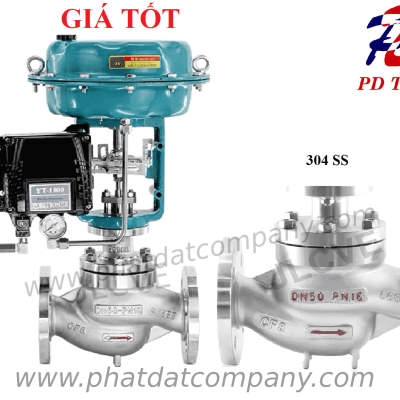
Linear Control Valve
Phat Dat Company specializes in supplying and installing all types of linear control valves.
Contact phone number 02835531725, Hotline 0989286139 or email: info@phatdatcompany.com
Hope the above article shares useful information to you. Thank you for reading the article.
If you need to comment or add more, please contact us.

PHAT DAT TRADING ENGINEERING SERVICE COMPANY